Last updated on
Sooner or later, every homeowner faces the question: which roof is better – metal or shingle? It seems like a simple question, but when you dig a little deeper, things get more complicated. Price, lifespan, repair costs, appearance, energy efficiency, weather performance – all these affect the decision.
Typical situation: an autumn morning, +7°C outside, wet leaves crunch underfoot, and suddenly there’s a leak – a dark spot shows up on the ceiling. You start looking for roof photos, visiting forums, watching videos on YouTube. Some say, “Use shingles – they’ll last 20 years, no problem.” Others advise metal: “Once you go metal, you forget about it.”
And indeed, both options have their perks. But when it comes to long-term benefits, it’s worth comparing thoughtfully. Without bias, but also without marketing fluff.
What to Think About Before Picking a Roofing Material
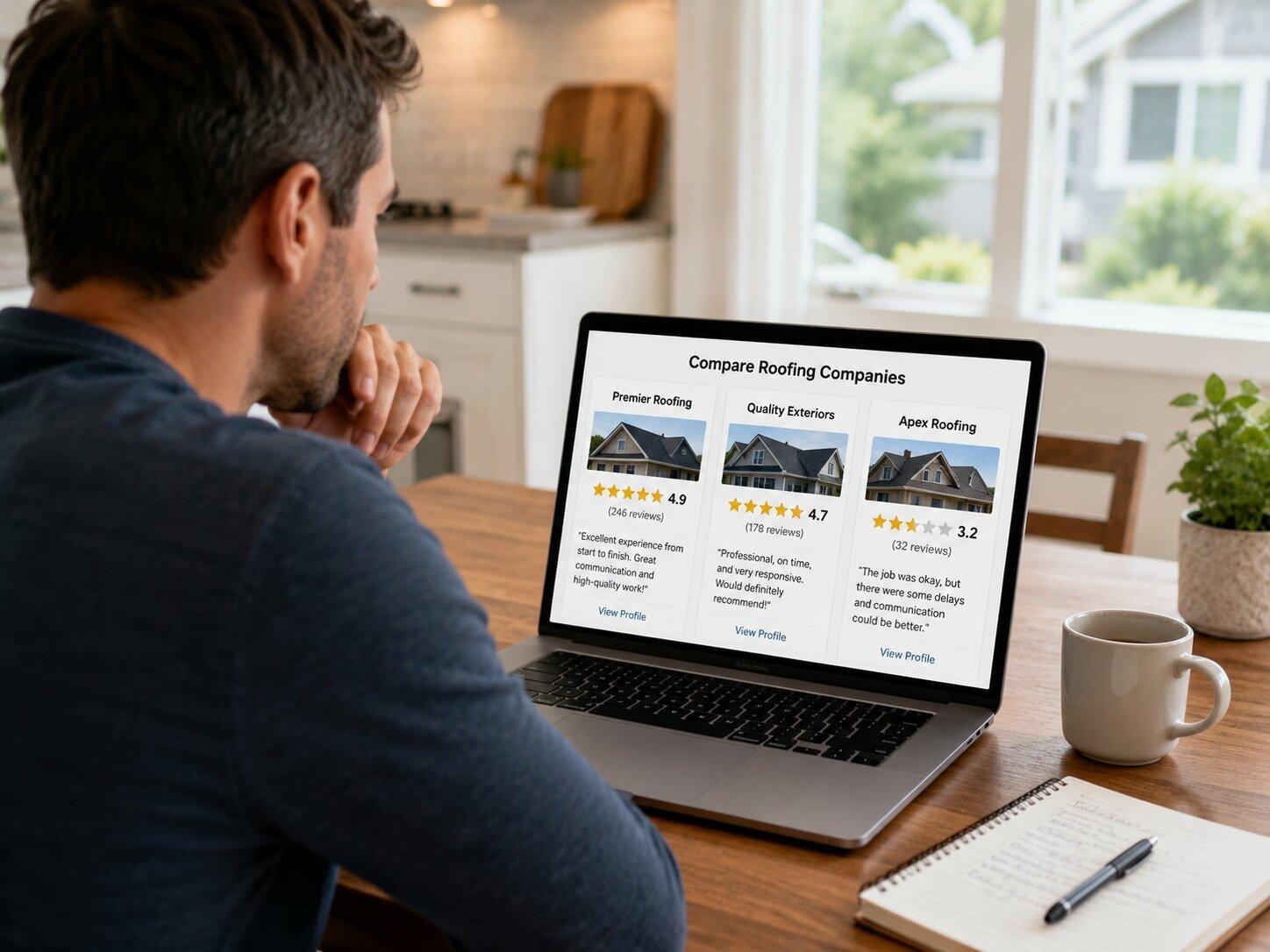
Before considering the pros and cons of roofing materials, it’s worth asking an important question: who’s going to install it all? Because even the best roof means nothing if it’s laid carelessly. That’s why it makes sense to start with something often underestimated – installation quality and contractor role.
Installation decides a lot. If it’s done right, the roof will hold up against rain, wind, and harsh winters. But it’s not just about how the material is laid – it’s also about where and how ventilation is arranged, how the weight is distributed so nothing warps, and water doesn’t pool or find its way inside. These things don’t catch the eye at first, but they exactly determine whether the roof lasts a couple of decades or celebrates its golden anniversary with the house.
Take Brubaker Brothers Roofing, for example. They look at the whole structure, check every board, recommend the right materials for the job, and think long-term, not just for a year or two but for decades ahead. And it’s no coincidence they’re called “premium” – because when these guys work, the result always impresses and leaves no reason to worry after the first heavy rain.
How Long Will the Roof Last: Durability Comparison
Now, to the specifics. One of the most important parameters for homeowners is how long the roof will maintain its function and appearance. The difference between metal roofing and shingles is quite noticeable.
A metal roof, especially made of aluminum or galvanized steel, lasts from 40 to 70 years. In many cases, it outlasts the house itself, especially if installed properly. There are even roofs still standing since the 1970s and still going strong.
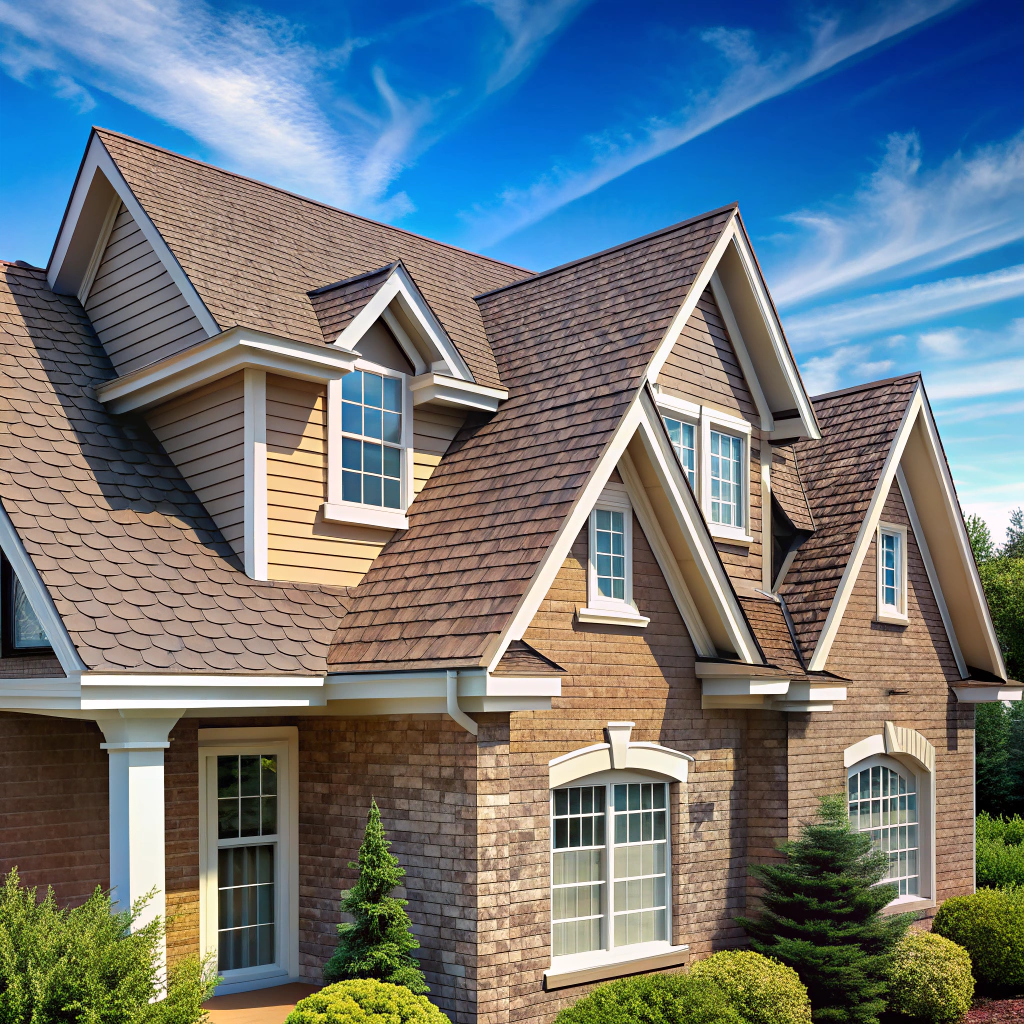
In comparison, traditional shingles last on average 20–25 years. Yes, there are premium options with warranties of 30–35 years, but in reality, these roofs rarely reach this lifespan without major repairs.
The difference is clear. Over 50 years, a house with a shingle roof will likely need reroofing twice, sometimes three times if storms, heavy rains, and harsh winters occur. A metal roof during that same time might only require repainting or replacing one or two damaged parts.
What Costs More: Pay More Now or Pay More Often?
Price is a big deal. Lots of people go for shingles because they cost less upfront. A typical shingle roof can be half the price of metal.
But cheaper at first doesn’t always mean cheaper in the long run. Here’s why:
- Shingles need regular upkeep. Every 5–7 years, some repairs are likely – patching, gluing, replacing shingles.
- Storms can rip off shingles. And although insurance sometimes covers part of the repair, you still have to spend time.
- If serious repairs are needed, you usually have to remove a large portion of the roof – and that can easily drive the total cost up by 40–60%.
Metal’s a bit different. Yes, it’s a bigger initial investment – $10,000 to $50,000 versus $5,000 to $24,000 for shingles. But over 40–50 years, metal pays off because:
- You don’t need to take it off for updates (sometimes just a fresh coat of paint).
- It doesn’t crack from heat.
- It won’t rot or get mossy.
Besides, it’s fire-resistant. This is a big plus in fire-prone areas.
Looks, Noise, and Heat – What Affects Your Daily Comfort
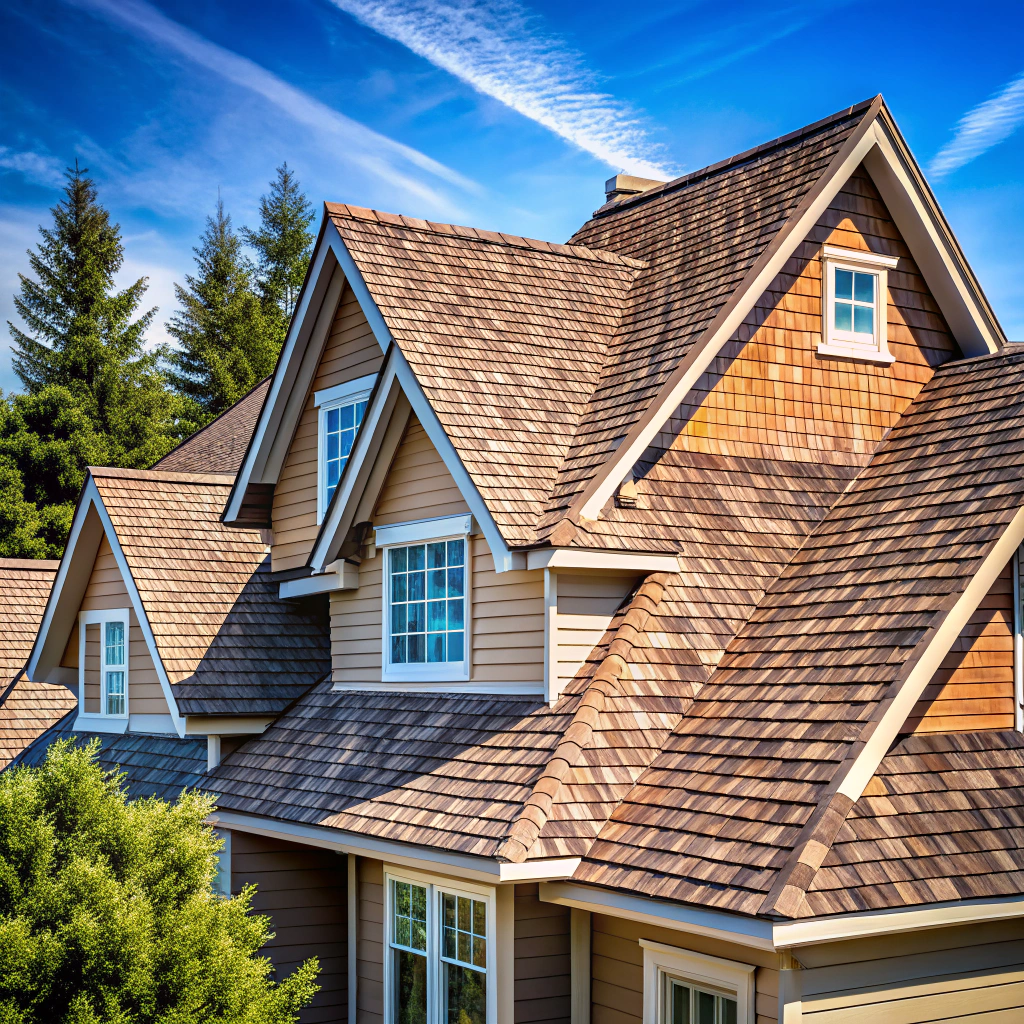
Metal roofs aren’t just the noisy gray sheets from the ‘90s anymore. Today, you get tons of styles – embossed to look like shingles, matte finishes, hidden fasteners. Some even look like traditional roofs but have metal’s advantages.
But people worry: “What about rain noise? Won’t it be loud?” That’s a common question, and partly true – if the roof isn’t properly insulated, yes, it can sound loud. But with good insulation and padding, the noise gets almost completely muffled.
Then there’s heat. Shingles absorb and trap the sun’s warmth, sending it into the attic. On hot days, it can get up to +50°C under the roof. Metal with reflective coatings bounces back about 70% of sunlight, so your air conditioning won’t work as hard.
When to Choose Shingles and When to Opt for Metal: Quick Guide
There is no one right choice for everyone. It depends on your goals, budget, plans, and even the type of building. But some situations clearly lean one way or the other.
Metal roofing is best if:
- the house is built to last for decades, and you’re not planning to sell soon;
- you live somewhere with lots of storms, hail, or strong winds;
- you have or want solar panels;
- energy efficiency and fire safety matter a lot.
Shingles are better when:
- the budget’s tight;
- you need a roof for 10–15 years, maybe before selling;
- you want to keep a certain architectural look;
- you need fast installation without breaking the bank.
Thus, it’s not just about material but the whole approach. A reliable roof is the result of good planning, the right choice, and proper hands doing the job.